Benefits of Using Heat Pumps for Home Heating and Cooling
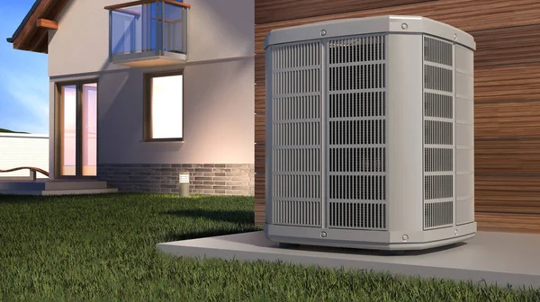
Heat pumps offer a range of benefits that make them an attractive choice for homeowners looking to enhance their comfort while minimizing energy costs. Unlike traditional heating systems, heat pumps are capable of both heating and cooling, making them a versatile option for year-round climate control.
One of the primary advantages of heat pumps is their energy efficiency. They transfer heat rather than generate it, which can significantly reduce energy consumption and lower utility bills. Additionally, many heat pump models are designed to operate quietly and require less maintenance compared to conventional HVAC systems, further appealing to homeowners seeking efficiency and convenience.
How to Choose the Right Heat Pump for Your Home
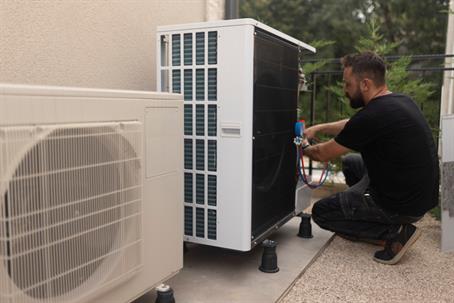
Selecting the right heat pump for your home involves considering several factors, including the size of your space, your climate, and your specific heating and cooling needs. A properly sized heat pump ensures optimal performance and efficiency, preventing issues such as short cycling or inadequate heating and cooling.
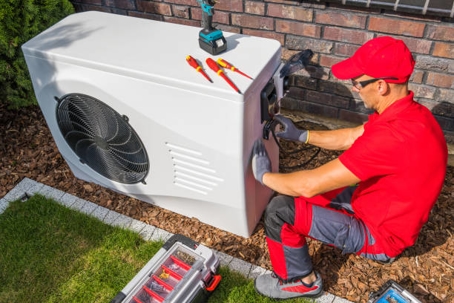
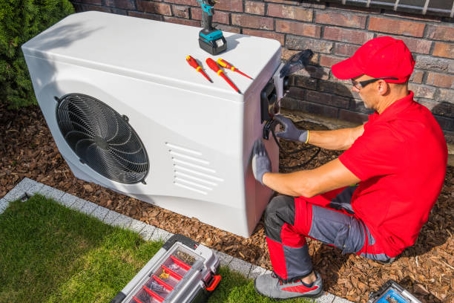
It's also important to evaluate the heat pump’s energy efficiency ratings, such as the SEER (Seasonal Energy Efficiency Ratio) for cooling and HSPF (Heating Season Performance Factor) for heating. Consulting with a professional HVAC technician can provide valuable insights and help you make an informed decision tailored to your home’s requirements.
Understanding Heat Pump Technology: How It Works
Heat pumps operate on a simple yet effective principle: they transfer heat from one place to another. In heating mode, they extract heat from the outside air or ground and transfer it indoors, while in cooling mode, they reverse the process, removing heat from your home and releasing it outside.
This technology relies on a refrigerant that circulates through the system, absorbing and releasing heat as it changes from a liquid to a gas and back again. Understanding this process can help homeowners appreciate the efficiency and effectiveness of heat pumps compared to traditional heating and cooling systems.
Common Misconceptions About Heat Pumps
Despite their growing popularity, heat pumps are often misunderstood. One common misconception is that they are ineffective in colder climates. However, modern heat pumps are designed to operate efficiently even in low temperatures, making them suitable for a variety of environments.
Another myth is that heat pumps are too expensive to install and maintain. While the initial investment may be higher than traditional systems, the long-term savings on energy bills and reduced maintenance costs can make heat pumps a more economical choice over time.
Benefits of Using Heat Pumps for Home Heating and Cooling
Heat pumps offer a range of benefits that make them an attractive choice for homeowners looking to enhance their comfort while minimizing energy costs. Unlike traditional heating systems, heat pumps are capable of both heating and cooling, making them a versatile option for year-round climate control.
One of the primary advantages of heat pumps is their energy efficiency. They transfer heat rather than generate it, which can significantly reduce energy consumption and lower utility bills. Additionally, many heat pump models are designed to operate quietly and require less maintenance compared to conventional HVAC systems, further appealing to homeowners seeking efficiency and convenience.
How to Choose the Right Heat Pump for Your Home
Selecting the right heat pump for your home involves considering several factors, including the size of your space, your climate, and your specific heating and cooling needs. A properly sized heat pump ensures optimal performance and efficiency, preventing issues such as short cycling or inadequate heating and cooling.
It's also important to evaluate the heat pump’s energy efficiency ratings, such as the SEER (Seasonal Energy Efficiency Ratio) for cooling and HSPF (Heating Season Performance Factor) for heating. Consulting with a professional HVAC technician can provide valuable insights and help you make an informed decision tailored to your home’s requirements.
Understanding Heat Pump Technology: How It Works
Heat pumps operate on a simple yet effective principle: they transfer heat from one place to another. In heating mode, they extract heat from the outside air or ground and transfer it indoors, while in cooling mode, they reverse the process, removing heat from your home and releasing it outside.
This technology relies on a refrigerant that circulates through the system, absorbing and releasing heat as it changes from a liquid to a gas and back again. Understanding this process can help homeowners appreciate the efficiency and effectiveness of heat pumps compared to traditional heating and cooling systems.
Common Misconceptions About Heat Pumps
Despite their growing popularity, heat pumps are often misunderstood. One common misconception is that they are ineffective in colder climates. However, modern heat pumps are designed to operate efficiently even in low temperatures, making them suitable for a variety of environments.
Another myth is that heat pumps are too expensive to install and maintain. While the initial investment may be higher than traditional systems, the long-term savings on energy bills and reduced maintenance costs can make heat pumps a more economical choice over time.