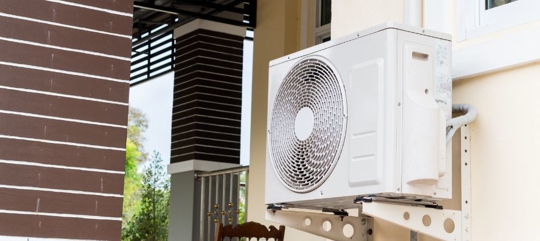
Understanding HVAC Systems
HVAC systems are essential for regulating indoor temperature and air quality. They encompass heating, ventilation, and air conditioning, working together to create a comfortable living environment. Knowing how these systems operate can help homeowners make informed decisions regarding maintenance and replacement.
For instance, a well-maintained HVAC system can significantly reduce energy costs and improve air quality. Regular inspections and timely repairs can extend the lifespan of the system, ensuring it operates efficiently. Homeowners should familiarize themselves with the components of their HVAC systems, such as the furnace, air conditioner, and ductwork, to understand their functionality better.
Signs It's Time to Replace Your HVAC System
Recognizing the signs that indicate it's time to replace your HVAC system is crucial for maintaining comfort in your home. Common indicators include inconsistent temperatures, increased energy bills, and frequent breakdowns. If your system is over 15 years old, it may also be time to consider a replacement.
For example, if you notice that certain rooms are consistently warmer or cooler than others, your HVAC system may be struggling to distribute air evenly. Additionally, if you find yourself calling for repairs multiple times in a single season, it could be more cost-effective to invest in a new system rather than continuing to fix an aging unit.
Choosing the Right HVAC System for Your Home
Selecting the appropriate HVAC system for your home requires careful consideration of various factors, including the size of your space, energy efficiency ratings, and budget. It's essential to assess your heating and cooling needs to ensure optimal performance and comfort.
For instance, a larger home may require a multi-zone system to effectively manage temperature across different areas. Additionally, energy-efficient models, such as those with high SEER ratings, can lead to significant savings on energy bills over time. Consulting with an HVAC professional can help you determine the best options tailored to your home's specific requirements.
Maintaining Your HVAC System for Longevity
Regular maintenance is key to ensuring the longevity and efficiency of your HVAC system. Simple tasks such as changing air filters, cleaning ducts, and scheduling annual professional inspections can prevent costly repairs and extend the lifespan of your unit.
For example, replacing dirty filters every one to three months can improve airflow and indoor air quality, reducing strain on the system. Additionally, scheduling a professional tune-up can identify potential issues before they escalate, ensuring your HVAC system operates smoothly throughout the year.